
The new KNM exam 2025: what has changed?
More knowledge, less ‘what are you supposed to do?’
An important change is that the exam is less about rules of behaviour and more about knowledge and understanding of Dutch society.
In the old exam, a question could be about what you are supposed to do in a certain social situation. In the renewed exam, the focus is more on understanding how the Netherlands works.
So you do not only need to know how people behave, but above all to understand how Dutch society, public services, rights and laws fit together.
The new learning objectives are built around different practical situations, such as work, housing, contact with official organisations and citizenship. (NT2.nl)
1. The Holocaust and antisemitism
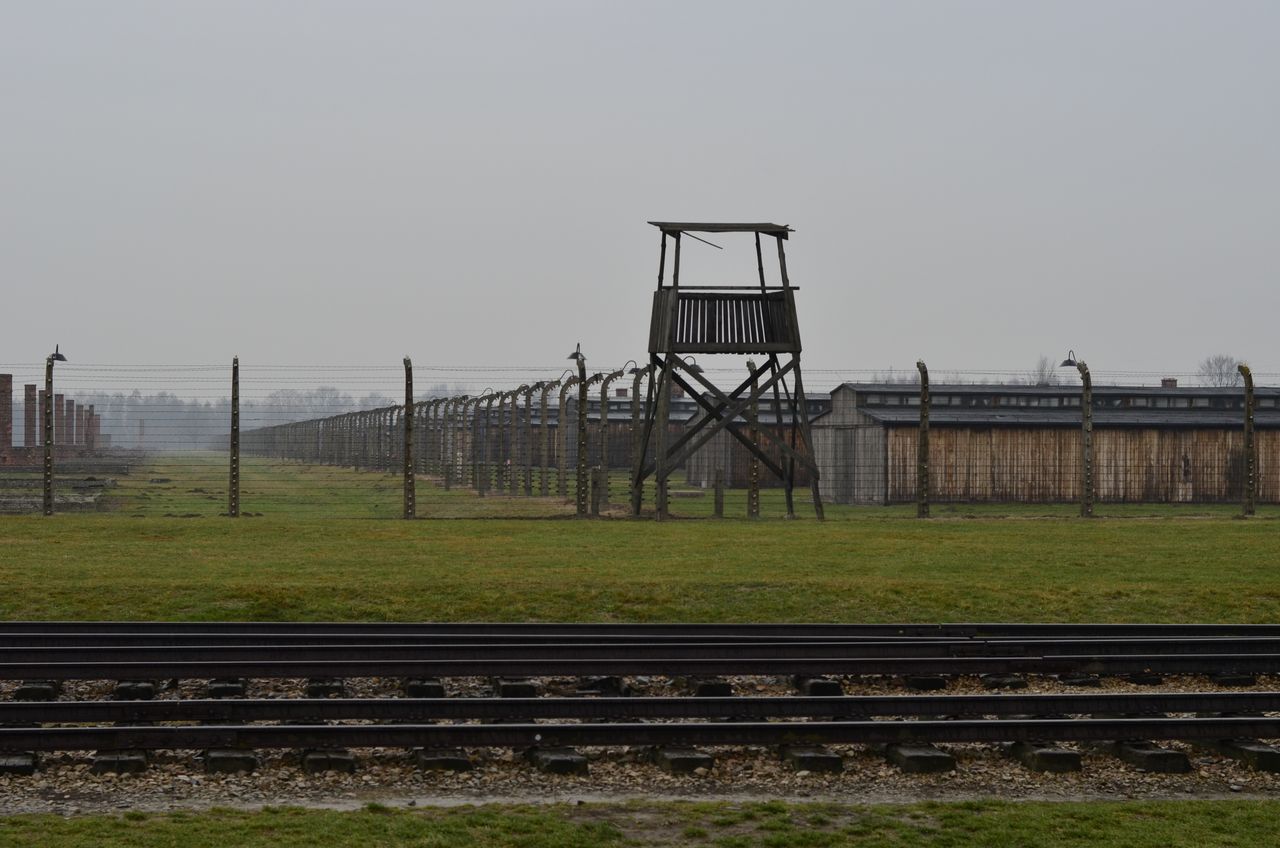
An important new topic is the Holocaust.
For the KNM exam you need to know what the Holocaust was and that during the Second World War many Jewish people in the Netherlands and in Europe were murdered.
Antisemitism also gets clear attention. For example, you need to understand what antisemitism means and know that discrimination and antisemitism are not allowed in the Netherlands.
This topic was added because knowledge of Dutch history and of the consequences of discrimination is seen as important for understanding Dutch society. (Rijksoverheid)
2. Freedom and self-determination
Another important new focus is self-determination.
In the Netherlands, people have the right to shape their own life and to make important personal choices themselves. Of course this applies to men and women alike, but the new learning objectives pay specific attention to the self-determination of women.
In the Netherlands, a woman may decide for herself, for example:
who she marries;
whether she wants to work;
where she wants to live;
how she wants to organise her life;
whether she wants children;
and which choices she makes about her own body.
Topics such as abortion and euthanasia also fit within the wider theme of personal freedom, rights and self-determination. For the exam it is mainly important that you understand that the Netherlands protects certain personal choices by law, and that no one else may decide about your life on your behalf.
3. DigiD and the digital government

The Netherlands is a digital country. That is why digital services are now more clearly part of the KNM learning objectives.
An important example is DigiD (your digital ID for Dutch government websites).
You need to know what DigiD is and what you use it for. With DigiD you can, for example, log in safely to websites of the government and other organisations.
Think of:
MijnOverheid;
the Belastingdienst (Dutch tax office);
DUO;
your gemeente (municipality);
and other government services.
Privacy and handling personal data safely also get more attention. (NT2.nl)
This is not only important for the exam. If you live in the Netherlands, you will probably need DigiD regularly.
4. The practice nurse at the general practitioner

New topics have also been added within healthcare.
One example is the practice nurse at the huisarts (general practitioner), often abbreviated in Dutch as POH.
The practice nurse works in the general practice and helps patients, for example with certain chronic conditions or with guidance around their health.
For the KNM exam it is important that you know which role different care providers have and where you can go with a health problem.
The Dutch care system consists of different parts. For example, you do not go straight to the hospital for every complaint. Often the huisarts is the first point of contact. (NT2.nl)
5. More attention for rights and the Dutch constitutional state
The updated learning objectives also pay more attention to rights, equality and the Dutch constitutional state (rechtsstaat).
An important starting point is that Dutch law applies to everyone.
Topics that come up include:
equal rights;
freedom;
discrimination;
the rights of women;
personal freedom;
and the way the Dutch constitutional state works.
It is also emphasised more clearly that legal rules are leading in the Netherlands, even when certain cultural or religious views say something different. (NT2.nl)
What does this mean for your preparation?
The new KNM exam asks for a different way of learning.
Tip from the teacher: Only doing old practice questions is not enough if you take the exam under the new learning objectives. That is why DUO has made new practice exams available for candidates who take the exam after 1 July 2025. (inburgeren.nl)
Make sure you use practice material that has really been updated for the KNM exam 2025.
Pay extra attention to:
📚 History
the Holocaust;
the Second World War;
antisemitism;
discrimination.
⚖️ Rights and freedom
equal rights;
self-determination;
freedom of women;
personal choices;
abortion and euthanasia.
💻 Digital society
DigiD;
the digital government;
handling personal data safely.
🏥 Healthcare
the huisarts;
the practice nurse;
different care providers;
how Dutch healthcare works.
🇳🇱 Dutch society
values and norms;
the constitutional state;
work and income;
housing;
education;
official organisations;
citizenship.
Is the new KNM exam more difficult?
Not necessarily. The exam has mainly become different.
The government renewed the learning objectives because Dutch society is changing. The previous big revision dated from 2015. The new version should fit better with the knowledge newcomers need to live independently in the Netherlands and to take part in society. (Rijksoverheid)
For many candidates the new exam can even be more practical. For example, you not only learn which Dutch habits exist, but also how to make an appointment with an official organisation, what DigiD is used for and which care providers there are.
Sources for the content: the Rijksoverheid (Dutch national government) on the renewal of the KNM exam and DUO: a different KNM exam from 1 July 2025.